All Categories
Featured
Mastering Performance Based Commercial Maintenance Agreem...
Future-Proofing Asset Common Area Maintenance Quality in ...

Future-Proofing Asset Common Area Maintenance Quality in 2026
Table of Contents
These payments approach covering costs like landscaping, janitorial services, constructing maintenance, and other shared costs connected with the residential or commercial property's operation. The total camera charge a tenant pays depends upon their pro-rata share of the property's total leasable location, as described in the lease. At the end of each year, property owners fix up approximated CAM charges versus real expenses to determine whether an occupant paid too much or underpaid.
By understanding how webcam charges are structured and billed, tenants can more precisely anticipated occupancy costs and determine opportunities to work out fairer, more transparent lease terms. Common Location Upkeep charges encompass a wide variety of expenditures related to the upkeep and operation of shared areas. These expenses can consist of: Expenses associated with residential or commercial property management services, such as wages, administrative expenses, and management fees.
Janitorial Services: Expenses for cleansing and preserving common areas like hallways, bathrooms, and lobbies. Costs associated with security services and systems that secure the residential or commercial property and its occupants.
Some leases include property tax costs as part of webcam charges. Camera charges are typically a point of negotiation in business lease arrangements. When renters lease area in an industrial home, they may be needed to pay a share of the CAM expenditures. The particular terms and calculations for webcam charges can vary commonly depending upon the lease arrangement.
While there is no one-size-fits-all formula, here's a general overview of how camera charges are normally computed:: web cam fees are frequently designated based upon a tenant's pro-rata share of the total leasable space within the business home. This indicates that the bigger the space an occupant inhabits, the higher their camera fee obligation.
Methods for Optimize Portfolio CAM Operations in 2026
These expenses include property management costs, landscaping expenses, utilities for typical areas, janitorial services, repairs, and other qualifying expenditures.: To figure out a tenant's camera charge for the period, property managers divide the tenant's leasable square footage by the overall leasable square video footage in the residential or commercial property. This ratio is then applied to the total webcam expenses for that period.
After the ends, property owners carry out an annual reconciliation. They compare the approximated web cam fees paid by renters with the actual expenses incurred throughout that period. Depending on the lease terms, occupants may be required to pay any shortfall or receive a credit for overpayment.: Some lease contracts might consist of caps or limits on the yearly increase in web cam fees to protect renters from high expense escalations.
Corporate Campus Landscape Services
Understanding and handling camera fees requires clear documents and constant oversight, particularly when lease terms differ across residential or commercial properties. A platform like Visual Lease can assist you centralize lease data and enhance precision across every element of lease management. Average CAM costs per square foot can differ widely based upon the residential or commercial property type, area, lease structure, developing age, and the particular services consisted of in the charge.
Since these expenses are not standardized, tenants need to review historic web cam reconciliations, prior operating expenditure statements, and the lease language itself to better understand what is included and price quote most likely costs with time. While CAM charges are a standard part of commercial leasing, disputes frequently occur when occupants think they are being billed for extreme or inappropriate web cam charges.
Charging occupants for costs that do not straight associate with the upkeep or operation of shared locations, such as capital improvements, marketing, or administrative overhead beyond affordable management costs. Restricted or uncertain reporting on how web cam funds are spent can develop confusion or mistrust in between landlords and occupants. Sharp year-over-year camera escalations can occur when no caps are in location, or when proprietors fail to accurately estimate expenditures ahead of time.
Professional Site Oversight for Industrial Assets
Ask property managers to offer itemized statements revealing what expenditures are consisted of in CAM. Numerous occupants protect the right to audit webcam statements annually to validate that billed charges align with the lease terms. During lease negotiations, occupants can request caps on annual CAM boosts (typically referred to as "CAM caps") to maintain expense predictability.
By understanding what constitutes excessive webcam charges and taking proactive steps to handle them, renters can much better manage tenancy expenses and keep a fair, transparent relationship with their proprietors. When renting business area, it's essential for tenants to carefully examine the lease arrangement, specifically the sections associated with web cam costs.

Table of Contents
Latest Posts
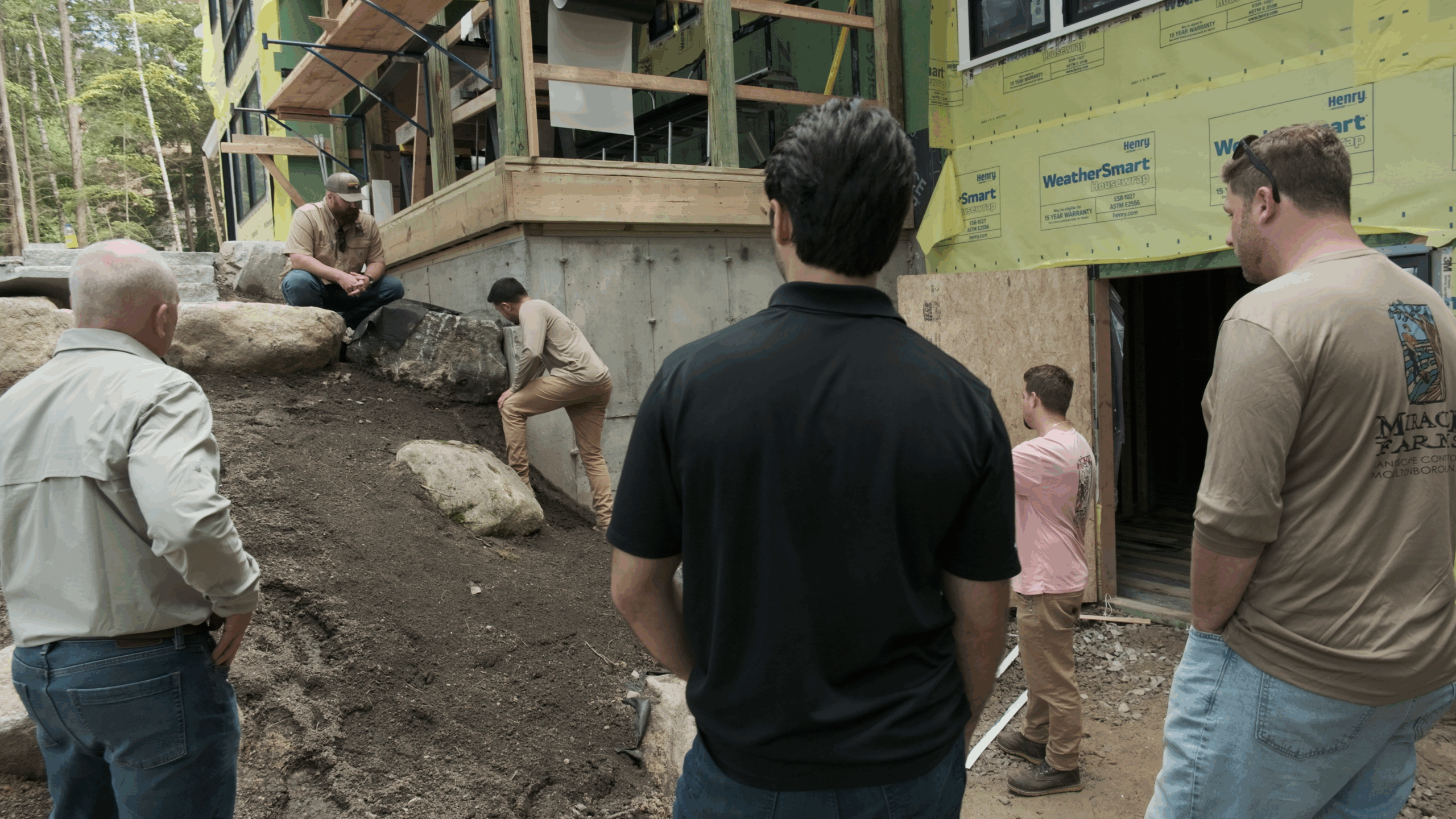
Modernizing Current Maintenance Schedules

Water Management in US Landscape Portfolios
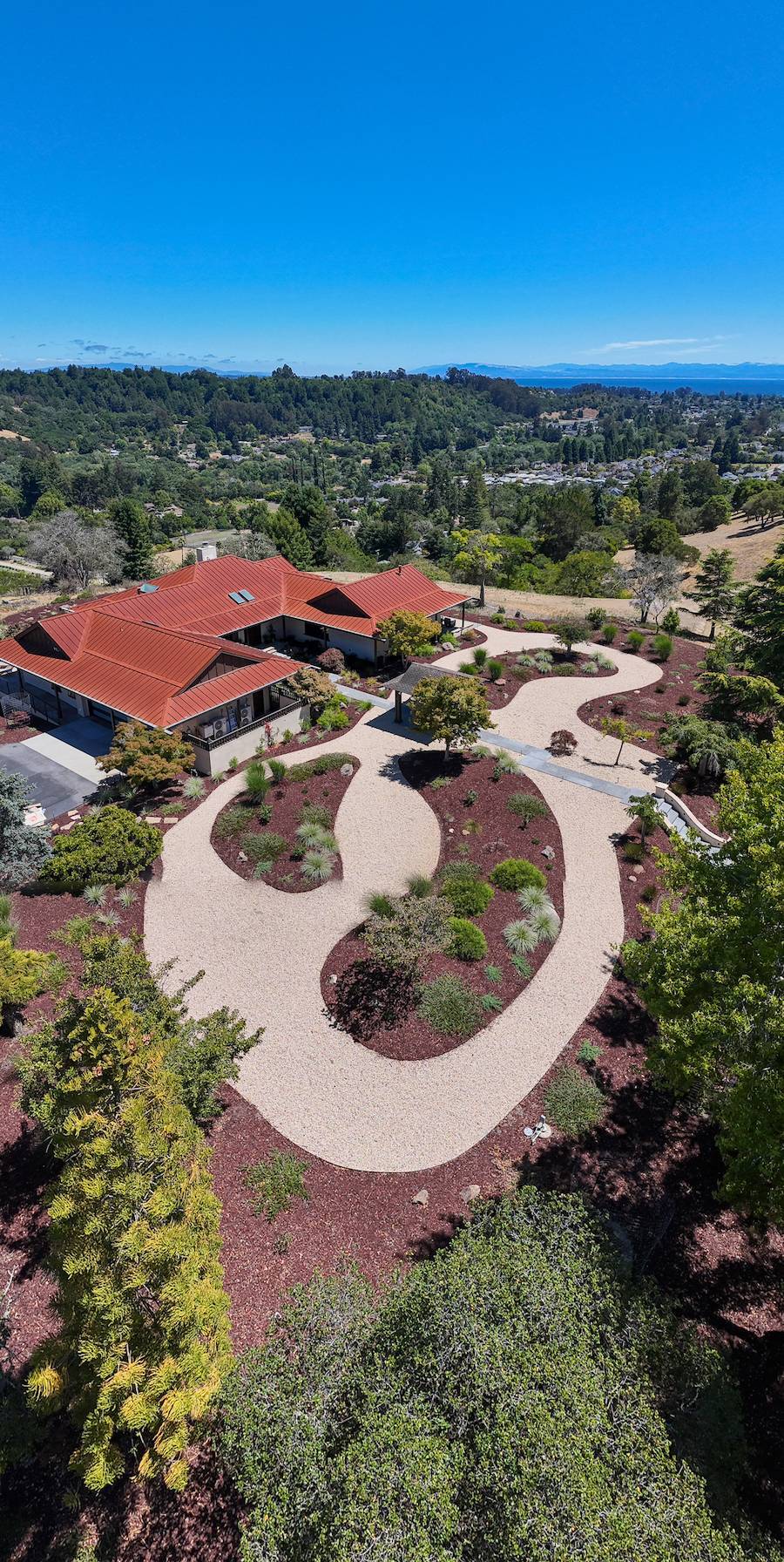
Mastering Performance Based Commercial Maintenance Agreements for 2026 Portfolio Growth
Latest Posts
Modernizing Current Maintenance Schedules
Water Management in US Landscape Portfolios
Mastering Performance Based Commercial Maintenance Agreements for 2026 Portfolio Growth